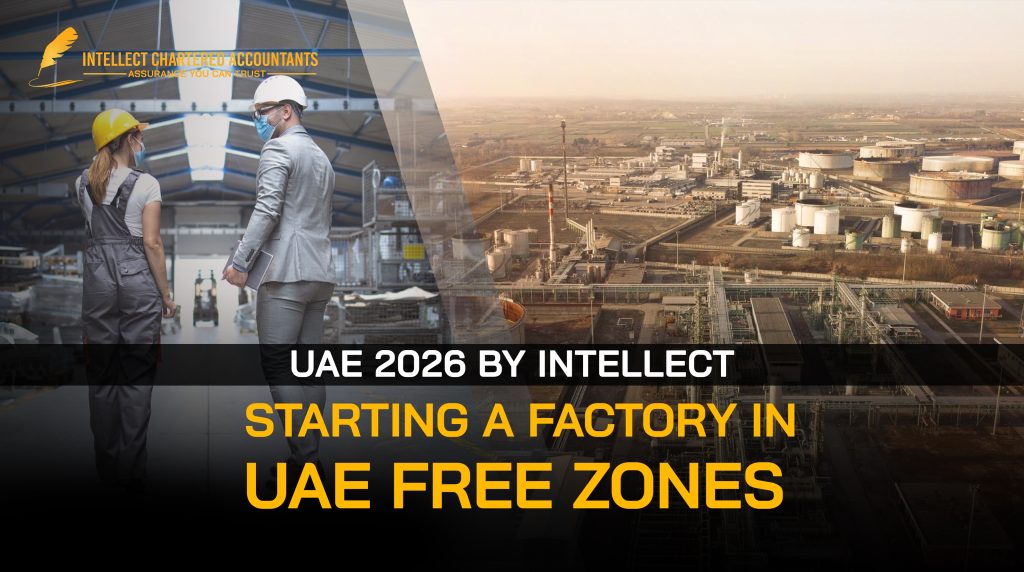
A fresh chapter unfolds for industry across the Emirates. With the launch of ‘Operation 300bn,’ growth aims to reach new heights by 2031, doubling economic impact. Firms starting up in 2026 will find factory work inside Free Zones transformed—beyond basic production, they step into smart networks built on clean energy and open data flows.
Starting strong, Intellect handles the paperwork and money systems industries need. This handbook walks through setting up a legal factory operation by next year.
1. Select Your Industrial Free Zone
Focused zones now shape business paths by design. Picking the correct setup shapes how goods move, plus affects what taxes apply.
- Jebel Ali Free Zone (JAFZA): Stands out when it comes to large-scale production. Heavy industry fits naturally here. Sea shipments move fast because the port links straight into the zone. Exporting in bulk? That part works smoothly. Distance between factory and vessel shrinks by design.
- Dubai Industrial City (DIC): Focuses on smaller factories and plants handling food work, medicine making, along with general production tasks. Nearby access comes straight to Al Maktoum International Airport, cutting travel needs for freight and supplies alike.
- KEZAD (Abu Dhabi): Serves industries that need heavy power—think plastics, metalworks, and car manufacturing. Moving goods here links smoothly to shipping routes thanks to a rail network run by Etihad Rail.
- Hamriyah Free Zone (Sharjah): Opens doors for small businesses alongside chemical producers. Efficiency shapes how plots get leased out here. Smaller firms find space without heavy demands. Petrochemical ventures fit well within its layout.
2. The 2026 Path Through New Rules
Firms need special paperwork just to build things these days. By next year, green practices matter more than before—machines now help track every detail.
- Initial Approval: Start by getting the online go-ahead from the Free Zone Authority. Spell out every step of your production method clearly—show how inputs turn into final goods through specific operations.
- Environmental Impact Assessment (EIA): Starting next year, every project needs an environmental check before getting full approval. By 2026, that review must include proof your site meets the UAE’s long-term goals on pollution and trash handling. Meeting the Net Zero 2050 aim isn’t optional.
- MoIAT Registration: Getting listed with MoIAT opens doors to savings on import taxes for equipment and supplies. Skipping this step means paying more at customs, as every registered machine or material benefits from a waiver.
- Civil Defence (DCD) Approval: Every building plan needs a green light from Civil Defence before work begins. Approval means your design meets strict rules for fire safety and protecting lives. Without sign-off, construction can’t proceed legally.
3. Infrastructure and Utility Needs
Floor space matters when applying for a permit to make goods. A building you can touch must exist—no exceptions allowed under the rules.
- Facility Selection: A space ready to go might suit your needs—choose a warehouse set up for light production. Or start fresh on undeveloped plots if building a custom facility fits better.
- Utility Capacity: Heavy machinery runs on steady power supply measured in KVA units. Some areas offer sunlight-powered options. Intellect assists in securing these utility clearances and negotiating “Green Power” rates.
- Labor Welfare: Getting a labor permit through MoHRE? Industrial areas often demand housing proof. Stay on site or pick an authorized camp. Approval hinges on both headcount and living conditions.
4. Financial Rules Update by 2026
Fiscal rules in the UAE keep shifting for makers of goods. Through it all, Intellect keeps your business on solid ground by handling what matters.
- Corporate Tax (9% vs. 0%): Free zone factories might pay 0% in corporate tax, but only if profits come from “Qualifying Income” like manufacturing. This requires maintaining Adequate Substance: equipment, people, and space on the ground.
- E-Invoicing (PINT-AE): Starting next summer, every B2B and government sale will travel via approved digital channels. Intellect helps integrate your accounting tools with the national tax platform to ensure compliance without changing daily routines.
- Statutory Audits: Every year by 2026, a full financial check following IFRS rules will be needed. Staying approved by MoIAT and renewing your Industrial License hinges on this mandatory step.
Why Partner with Intellect?
Since starting in the UAE more than two decades ago, Intellect Chartered Accountants has grown alongside industry leaders. We provide the precision required for production hubs.
- Audit & Substance Support: Yearly checks keep your tax-free standing valid. We make sure every detail meets the rules without delay.
- Banking Assistance: Banks such as Wio Bank or DIB require tough checks—we navigate the intensive KYC hurdles common for industrial firms.
- In-Country Value (ICV) Support: We help strengthen your ICV score, which is vital for winning public sector contracts and government tenders across the UAE.
What if your assembly line could begin tomorrow? Connect with the experts at Intellect now—no cost check-in included. While you run operations, they take care of regulations.